
What’s the problem ?
The DVLA consultation document as mentioned on the home page brought some issues that many had never fully considered to the forefront. If you refer to the DVLA site:-
DVLA Article - Registering A Vehicle
(Above link removed from GOV website) Link to web archive versions below:
Archive backup of article
you will see listed the criteria for retaining an original registration number to your vehicle and if in doubt you had to contact your local DVLA office to have them confirm if your vehicle met the criteria. This information was never readily available to the general public, especially in the pre Internet days, and most presumed that as long as they fulfilled their legal duties of filling in the changes on their V5 / V5C then all would be well.
By checking the criteria for retaining the original registration you will see that the backbone of this is an original UNMODIFIED monocoque body or chassis. There is no publicly available criteria for what is considered to be ‘original’ but it is presumed that running repairs to structure, returning it to a safe roadworthy condition do not fall foul of this. However modifications such as alterations to the structure to encompass 4/5 link rear suspension, enlarging internal wheel arches (tubbing), and alterations to the engine bay / transmission tunnels to accommodate larger engines will fall foul.
You are allowed a certain amount of modifications before the identity would be questioned so as an illustration say a Mk2 Zephyr with a V8 and heavy duty back axle on standard suspension would be OK but if you fitted a 5 link rear which would involve chassis mods the vehicle would strictly no longer be entitled to its original number. This would mean a trip to VOSA for a SVA (Single Vehicle Approval) test to ensure that it complied with modern safety specifications. Most vehicles would be unable to comply with most of the test as it is something they were never designed to pass as they were built to the safety standards of their day. We don’t disagree with ensuring the safety of modifications, who in their right mind could, but we feel that it is the modifications that should be checked rather than the overall vehicle. If you import a vehicle from abroad that is older than 10 years old it doesn’t have to meet SVA standards or undergo ANY testing.
The latest problem is that, due to the signing of the EU (non-constitution) Treaty the SVA will disappear in April 2009. It will currently be replaced by a new test known as an IVA which will be much more stringent. Many older vehicles would have required extensive modifications to stand any chance of an SVA pass but the current proposals for IVA would make it impossible.
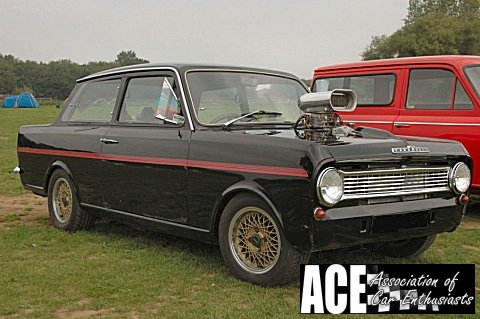
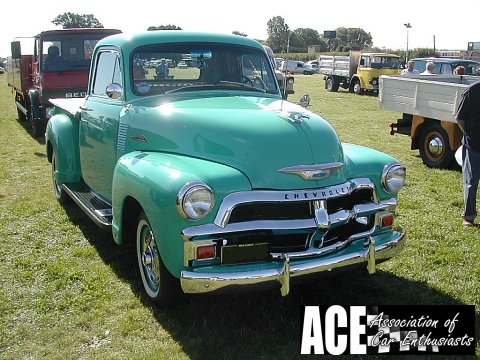

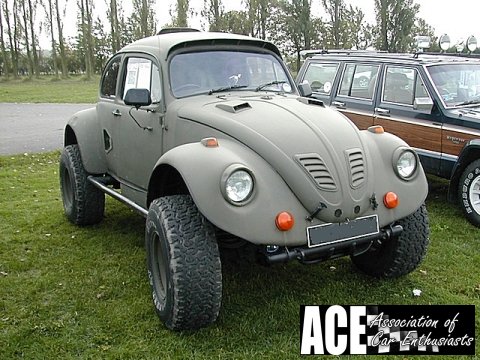
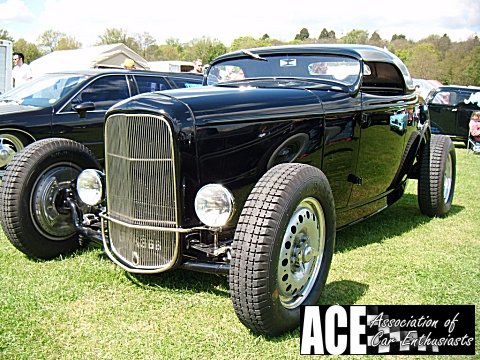
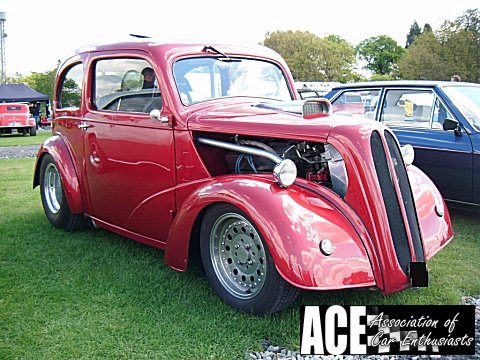
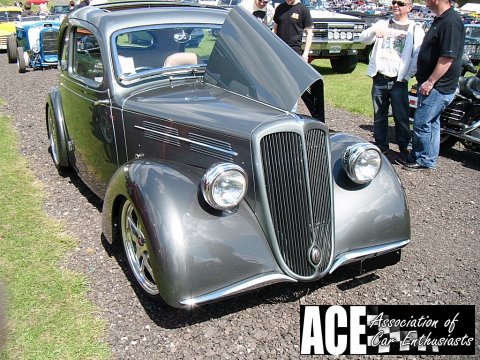
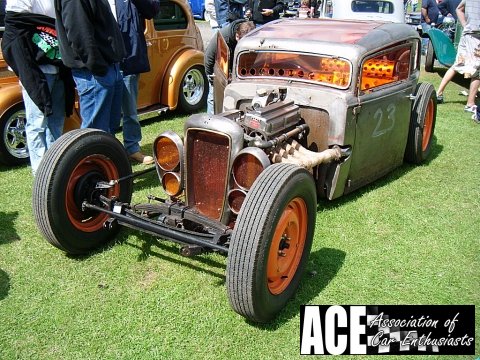
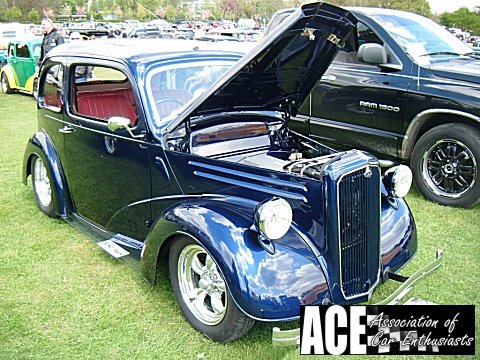
So you’ve read this far and now decided that none of it will affect your vehicle? If the proposal for an inspection at MOT for changes to vehicles were to come about how much of your car is standard? Many will not realise that each new model produced is subject to Type Approval and changes to simple things like air filters or exhausts could move your vehicle outside its Approval conditions. Even stuff like how often the vehicle wiring is tied down is part of Type Approval and so an aftermarket I.C.E installation could fail!
So why should classic car owners worry? The FBHVC has done sterling work with its recent survey and collating those facts. Their presentation to the EU means that it is now realised the contribution that classic cars have and have ruled that member states can make exemptions for classic cars IF they so chose. However the crux of the FHBVC argument is that classic cars are rarely used and as such those using their cars more frequently have now been abandoned to their own devices. We realise that using and maintaining a classic car makes a bigger contribution to reducing global emissions than using vast amounts of energy, and resource materials, to produce a new car that emits less but will never recoup what was wasted during its construction. Likewise each car that doesn’t go for scrap pollutes less all points overlooked by the Green lobby.
Many parts of Europe have restrictions placed on how often you may use your classic, the distance you may cover, and in some you have to advise in advance to what arranged meeting you are travelling, no more simply jumping in the car for a nice Sunday morning spin out.
Even if you simply like to do your own maintenance you may be under threat as vehicle manufacturers have made repeated legislative attempts to protect their products by preventing no one other than their agents being allowed to supply or maintain their products.
How likely is this to come about? The truth is we don’t know. We’ve been told that the points raised in the DVLA Response to Consultation document are still under consideration. We have also heard the talk of the every two years MOT test per the German TUV. However what many won’t realise that TUV is not simply a safety test like our MOT but also a Compliance test to ensure the vehicle still meets its Type Approval specifications. Parts of VOSA operations are up for grabs and Mercedes, the prime mover behind TUV, are in the frame.
What we know for sure is that we are currently in a Nanny State where we must be protected from ourselves. Forget the huge modifying and classic car heritage this country has, or how that background, especially in motorsport, has improved the breed of OEM motor cars, forget the huge amount of people this would affect (over 2 million!), forget the huge amount of industry and jobs that would be in peril… what matters to many is that they see road safety and clean air is threatened by our pastimes.
THIS is why we need a united voice regardless of your chosen automotive hobby, be it restoring, modifying, racing or even simply spectating.