
The FBHVC has made the EU aware of the huge financial contribution of Classic vehicles and as such they have agreed that member states can exempt these vehicles from parts of legislation IF they so wish.
However the entire FBVHC argument is based on the facts collated from their survey that classic cars, in general, only cover 1500 kilometres per year. They even went so far as to ‘disown’ those using classics on a more regular or even daily basis.
Quoting from the October 2007 Practical Classics, page 10, after a quote of the FBHVC position from Jim Whyman the Federations Secretary Practical Classics commented “the Federations position means that enthusiasts who use their classic regularly are without an official body to fight for their cause. The FBHVC said it can’t argue the case for people who do high mileages in their classics despite organising the annual Drive It Day, which is used to demonstrate to the Government that people use and enjoy historic vehicles”
ACE will be keeping an eye on any general legislation attempting to restrict the use of vehicles registered in the Historic classification. Although most of the EU has a similar class of taxation most have restrictions on their use.
Obviously each country has its own regulations and you need to go in more depth to understand fully what is required. In general our understanding is that there are situations such as in France where it is very difficult to register a Historic vehicle and general use is restricted to an area equivalent to a county. In Austria you are limited to the amount of days a year it can be used and in Germany it is necessary to notify, in advance where and when you intend using your vehicle (depending in which particular class your vehicle is registered).
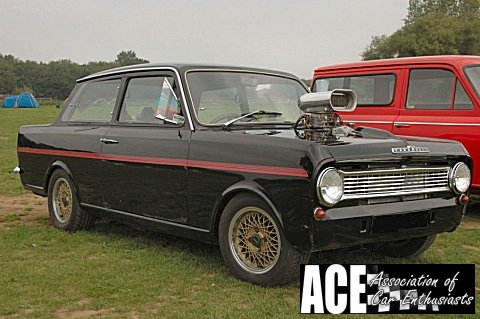
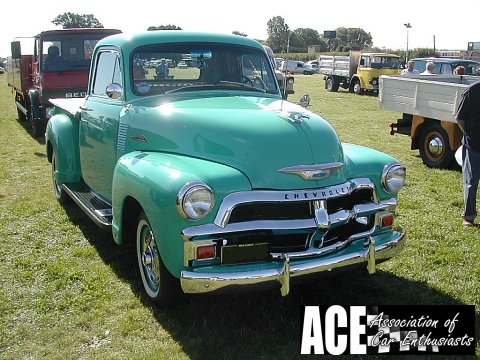

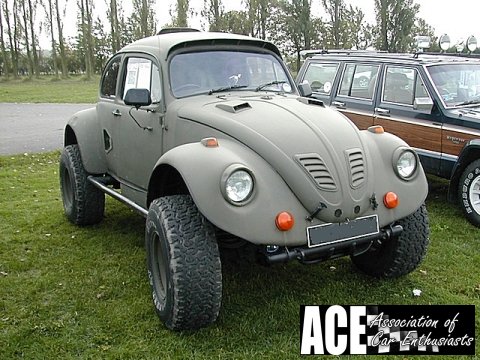
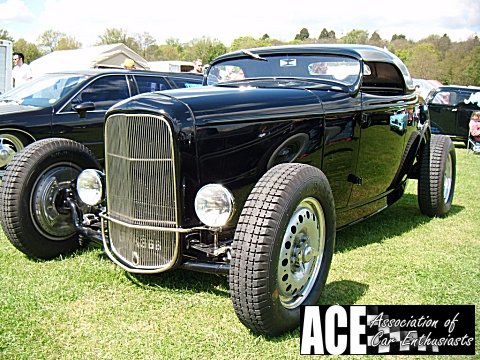
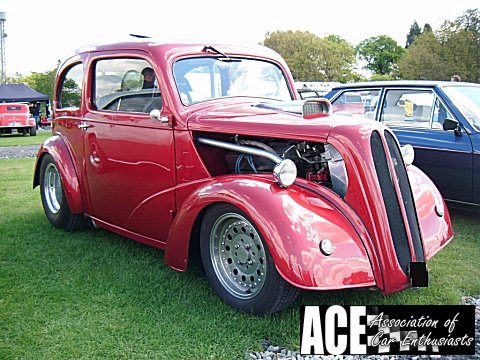
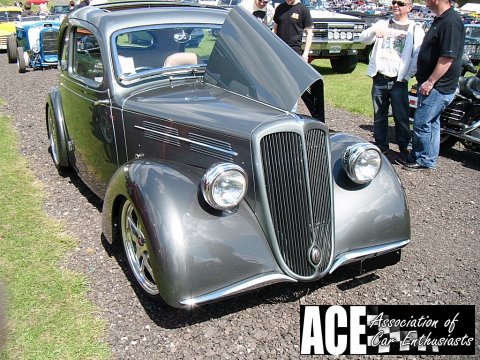
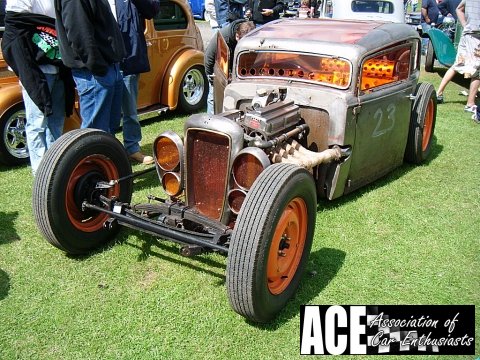
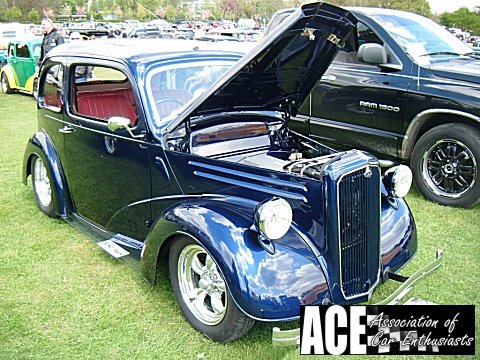
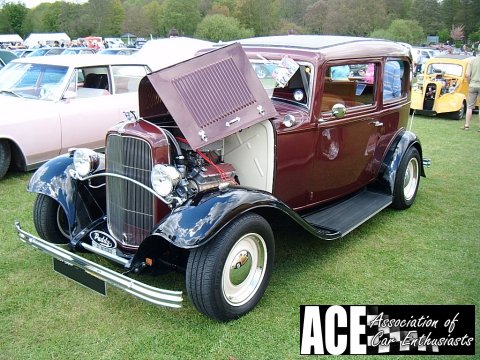
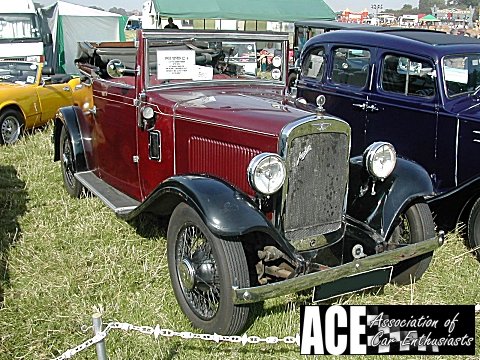
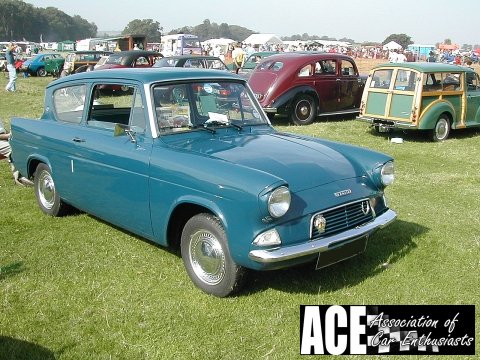

The green lobby frown upon these supposedly higher pollution vehicles and whilst it may be true that they do not run as efficiently as modern cars their overall ‘carbon footprint’ will be smaller due to their continued usage rather than destruction and subsequent purchase of a freshly constructed car. The use of recycled components to maintain them, from other similar vehicles which have finally reached the ‘end of the road’ or EVL (End of Vehicle Life the term used in legislation), also contributes to less pollution.