
It is often said that the first motor race was as soon as the second car rolled off the assembly line!
It is certainly true that the first organised meet was held in Bexhill in 1902… and that shows how far back the heritage of car modifying goes in this country. Backyard engineers were taking cars and modifying them to race on the new motor circuits springing up around Britain. From then, and as you go forward in time, you will see the spirit of the pioneer, the great British inventor, and the skilled or simply enthusiastic home engineer making some innovative steps forward.
Much of what is good about the British motoring heritage has come from backyard tinkerers. MG, Bentley, TVR and Lotus all started as such. Lotus and TVR pioneered the use of new lighter bodies and improved the breed on the racetrack. While superb road holding is good for racing it’s benefits are also to be found in surefooted OEM vehicles a major contribution to road safety.
Across the water in America likeminded hot rodders had the need for safe places to test their engineering and took to the vast salt lakes. Soon, under the auspices of the Southern California Timing Association and the Russetta Timing Association, the Bonneville Speed Trials (BST) began. This great event continues today and is now populated by enthusiasts from around the world.
Many of the earliest successfully involved with the BST began to manufacture the components they tested. The companies they formed are now multi million pound concerns with international markets. The BST saw many firsts including the realization that aerodynamics affected their cars performance. This led to OEM realising the importance to not only speed but economy.
Safety devices were pioneered and indeed the use of disc brakes, crash helmets, roll cages, welded unitary construction methods and seat belts, later taken on board by mainstream manufacturers, were designed by those early hot pioneers.
The hobby had become larger and many could not wait for, or afford, to travel to Bonneville. Working with local town fathers and police they arranged to use now defunct airstrips as testing grounds for their creations. They would simultaneously test two cars over a quarter mile course rather than the flying mile of Bonneville. This was the start of drag racing, one of the safest motor sports in the world despite the incredibly powerful engines used. Development on engine performance in ‘dragsters’ has given the ability to use superchargers, turbochargers and fuel injection to give increased power from small engines in OEM vehicles.
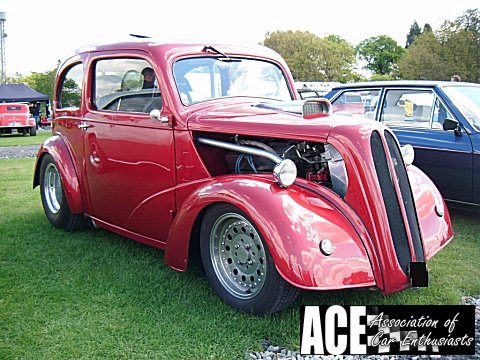
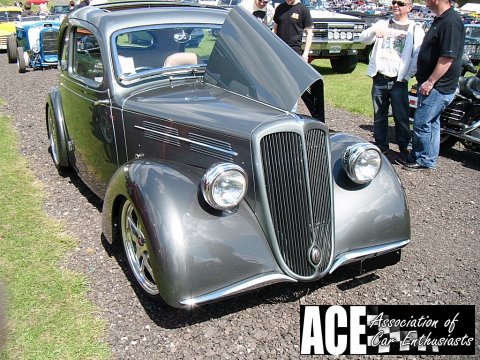
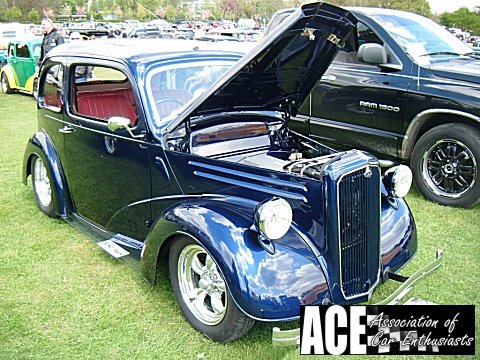
Great Britain also saw hot rods, but called specials, developed from the lowly Ford Pop and clothed in bodies made from the new glassfibre material. The popularity of these early motors led to the huge Kit Car market that exist today.
In Great Britain we pioneered excellence in motor sports engineering and from the constant improvement in safety came the internal safety cell seen in many OEM production vehicles today. Likewise the hard proving ground of rallying provides vital information to the improvement of production cars.
Todays enthusiasts may not be as innovative but they are as enthusiastic and as skilled as those forefathers. They modify their cars and the level of maintenance these vehicles receive is far above average. Even motor insurers realise that these owners value and cherish their cars far above the normal car driver. As such the level of safety enhancements added on, and pride in driving standards, means they are far better risks than a family second car that is only serviced when it stops moving.
In short, far from being a problem to safety, the people who modify cars have actually added to the quality of OEM cars.
It also appears that the overall size of the modifying scene is overlooked or simply underestimated. Somewhere in the region of 2 million people are involved with a minimum annual turnover of approx £20 billion.




There is also a large import market both directly by businesses and individuals themselves, seen more and more in this ‘computer/internet age, from vehicles to parts to restore and modify. There are also the businesses involved in shipping these items to be considered.
These initial figures are based on the audited circulation of related magazines and these show sales of £98,000,000 per annum for all Automotive based magazines with half of those relating to the Modified market. Total monthly magazine sales are just under 1,800,000 with the marketing divisions working on the basis that at least 2 people read every copy sold.
This rich heritage, and hugely influential creative hobby, must NOT be lost as its demise would impact on everybody’s day to day life in some way.