
There have been some premature victory statements made recently in the media regarding the EU proposal mentioned in our previous Armageddon article. Strange there can any victory as the issues we highlighted were dismissed as non existent and scaremongering at the time?
There are without doubt a few promising changes to the original proposals which still await a constitutional vote (voted on at first reading listed for 0/5/2025). However there is one item glaringly overlooked area that could still present problems.
The stringent across EU definition of Historic classification has NOT been amended and still stands as a threat to any car with modifications from original.
The definition from the original ‘proposal’
‘vehicle of historic interest’ means any vehicle which fulfils all the following conditions :
It was manufactured at least 30 years ago, It is maintained by use of replacement parts which reproduce the historic components of the vehicle; It has not sustained any change in the technical characteristics of its main components such as engine, brakes, steering or suspension and It has not been changed in its appearance;
Definition in new ‘proposal’
‘vehicle of historic interest’ means any vehicle which is considered as historical by the Member State of registration or one of its appointed authorising bodies and fulfills all the following conditions :
It was manufactured or registered for the first time at least 30 years ago Its specific type is no longer in production. It is in its original state and had not sustained substantial changes in the technical characteristics of its main components such as engine, brakes, steering, suspension or body.
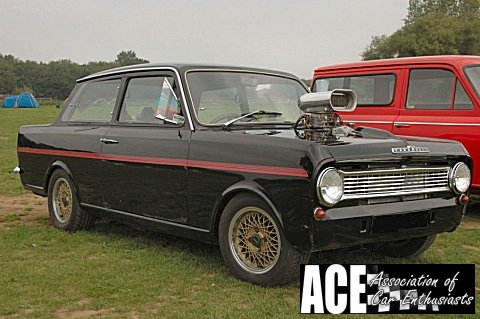
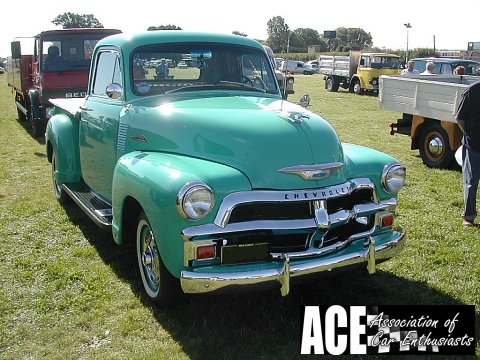

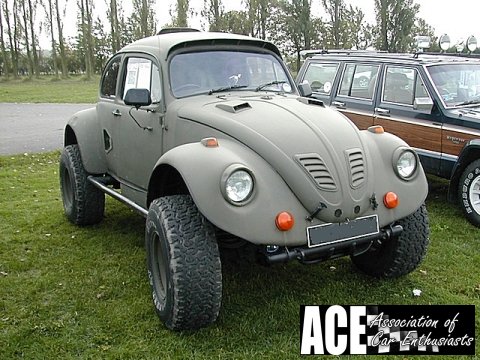
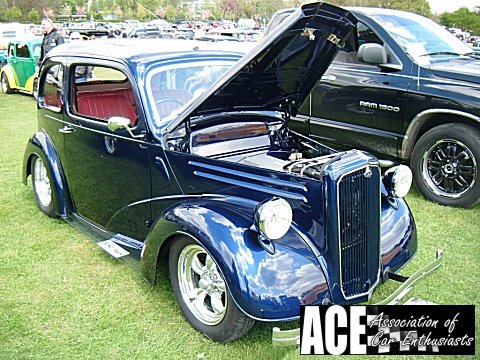
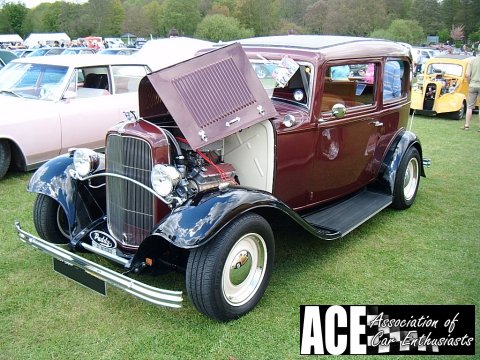
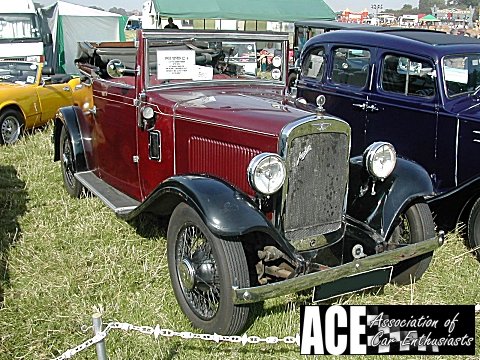
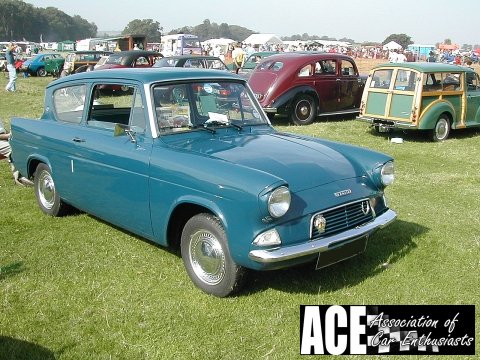
With the above definition neatly overlooked the following article made many sleep better at night
http://www.telegraph.co.uk/motoring/news/9758494/EU-backs-down-over-threat-to-classic-cars.html
However it is far from a back down but the result of input by all Members States prior the ‘proposals’ first reading.
The FBHVC website reads slightly differently where Stephen Hammond
“… revealed that great progress had been made in the EU discussions, which are on-going, and that he was now more optimistic and was confident that there will be sufficient latitude in the EU wording to allow the UK to adopt a reasonable and wide interpretation of the rules, so as not to impinge on the use and enjoyment of historic vehicles in the UK”.
http://fbhvc.co.uk/2012/12/14/meeting-with-minister/
Practical classics facebook page went on to say
“We could be safe - at least for the time being. We’ve just heard that Stephen Hammond, the roads minister, has done deal in Brussels after the classic movement bent his ear.
If you remember the EU had drawn up plans for a “roadworthiness test” directive which would have required all components on a car to conform with those on the vehicle when it was first registered.
They said - “Vehicles of historic interest are supposed to conserve heritage of the époque they have been built” Obviously there would have been chaos had this come to pass.
According to reports - ‘UK testers will be given greater discretion to assess the roadworthiness of classic cars built after 1960.’ So the originality clause is now not going to be implemented.”…
However the originality clause is STILL in place in the freshly amended draft new ‘proposal’ so celebration is very much premature in our opinion.
The European Commission see the proposed changes in the new ‘proposal’ as a threat to safety.
…“Key measures to strengthen road safety and save lives have been put at risk by an agreement by transport ministers meeting today in Brussels. Vehicle checks are fundamental to road safety. More than 5 people die on Europe’s roads every day in accidents linked to technical failure. EU transport ministers today agreed on a text which would water down key elements of Commission proposals for new rules to toughen up the current testing regime and widen its scope.
The agreement by ministers today would substantially weaken the proposed new rules, by (a) removing motorcycles and other two-wheelers, the most vulnerable group of road users from the scope of mandatory regular testing; (b) removing proposals for increased frequency of technical checks for older vehicles – the highest risk vehicles on the road; (c) weakening proposed measures to reduce mileage manipulation. “…
http://europa.eu/rapid/press-release_MEMO-12-1017_en.htm
They still press forward the fact that older vehicles are more dangerous which stands in direct contradiction to recent changes in the UK to allow pre 1960 vehicles to be MOT exempt!
http://europa.eu/rapid/press-release_MEMO-12-555_en.htm
The original draft proposal was a REGULATION and this has been rewritten as a DIRECTIVE. See our earlier article on this subject. Remember this is STILL a proposal which is yet to be voted on. First vote is down for 30/5/2025
“…Many Member States, however, had misgivings about the legal form of the proposed legislation and would prefer a Directive rather than a Regulation; they considered that a Directive, which leaves more scope for taking into account the specificities of the Member States, would be more appropriate to achieve an improved degree of harmonisation and adequate implementation…”
http://www.europarl.europa.eu/oeil/popups/summary.do?id=1232052&t=e&l=en
Other pertinent background reading:
http://parltrack.euwiki.org/dossier/2012/0184(COD)
http://www.europarl.europa.eu/oeil/popups/ficheprocedure.do?lang=en&reference=2012/0184%28COD%29
ACE’s closing points
Its good to see that the change from Regulation to Directive has been proposed (as we suggested), its also good to see some meat being applied to the bones of detail.
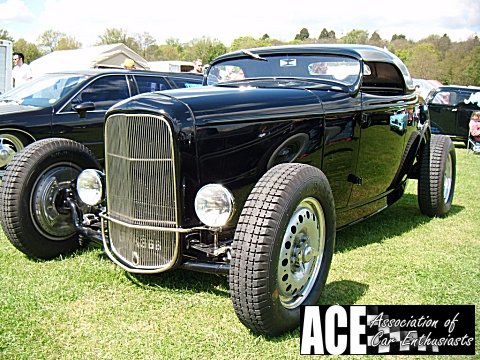
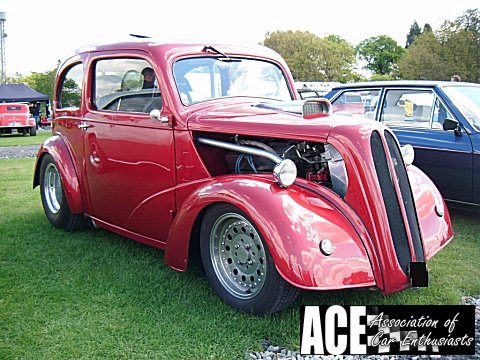
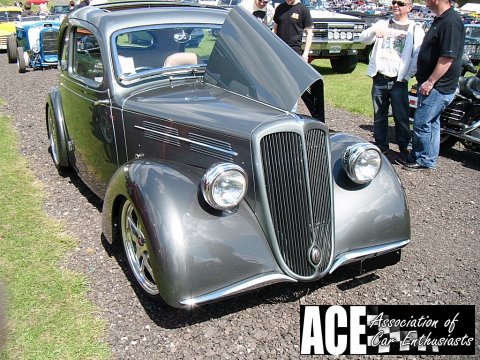
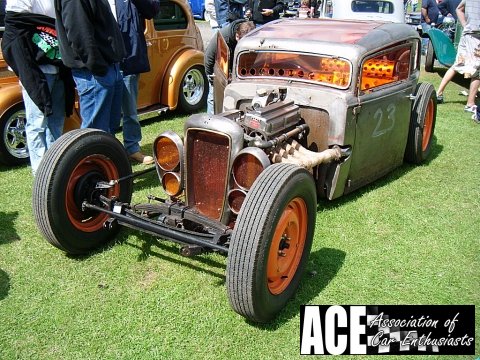
However ACE has felt that the needs of the custom / hod rod / modified communities were and still are being overlooked. In the proposed across EU definition of Historic modified vehicles are being disadvantaged. Something sadly overlooked by those claiming victory prematurely.
But facts don’t sell print do they!
Share