
As reported by ACE previously, FIVA (Fédération Internationale des Véhicules Anciens) have developed a definition of just what an Historic vehicle is.
This was recently presented to the EU and potentially will become the basis of legislation.
This is an extract from the FIVA newsletter which was published by the FHBVC - FHBCV Blog
“EU LEGISLATION
(Extract from FIVA’s regular update provided by its lobbying service, EPPA) Second meeting of the European Parliament Historic Vehicle Group
The second meeting of the European Parliament’s Historic Vehicle Group took place on 19 October in Strasbourg. During the meeting Horst Brüning, FIVA’s president and FBHVC’s Andrew Burt gave a presentation about the definition of a historic vehicle. They explained that a wide range of definitions are currently used in both EU and national laws and that ideally one common definition would be recognised by decision makers and in law. They then detailed the FIVA definition, explained its rationale and the importance of a definition allowing regulatory audiences to understand why historic vehicles should be treated differently to all other vehicles, especially to all other ‘older’ vehicles. Horst Brüning and Andrew Burt explained that the existing variety of definitions has not created any major practical problems to date, but that as legislation with exemptions for historic vehicles increases (which is likely because of the development of Intelligent Transport Systems and LEZs) there will be a heightened need for a common definition to avoid problems and make life simpler for owners, regulators and law enforcers in the future. They therefore urged the MEPs to help FIVA to promote and achieve a common definition for future use in EU legislation. The MEPs expressed their surprise at the current situation and agreed that they would aim to help FIVA in its objective.”
This means that the FIVA definition is likely to become the basis of the ‘Common’ definition of historic vehicles across the EU and, as such would bring in the concept of a Historic/Classic vehicle having ‘Period modifications only ‘, being ‘Historically correct and in period ‘ and ‘Not daily driven’ as shown in the document below.
FIVA Technical regulations 2010
The implications of this are that, should the EU create legislation that affects the use of ‘Older’ vehicles using this definition, a huge group of vehicles could be ‘Cut adrift’ and potentially face more difficult legislation than their ‘FIVA approved’ brethren.
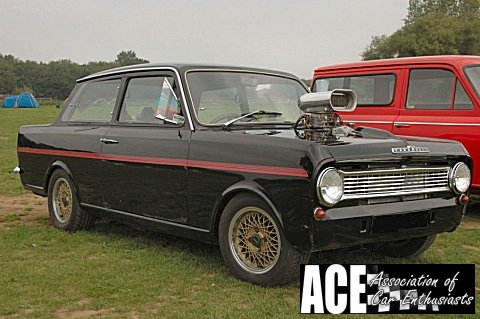
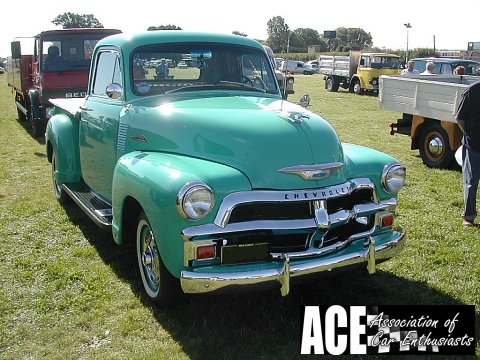

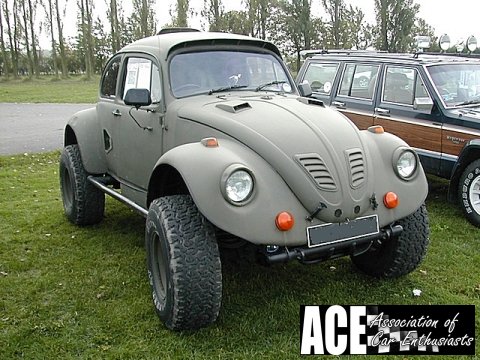
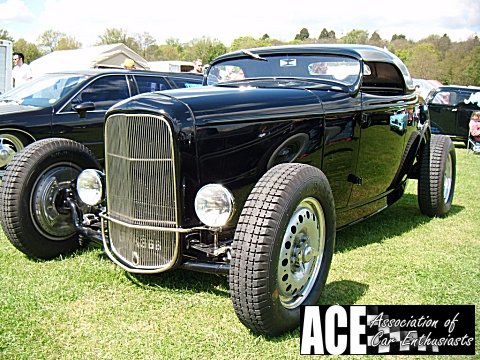
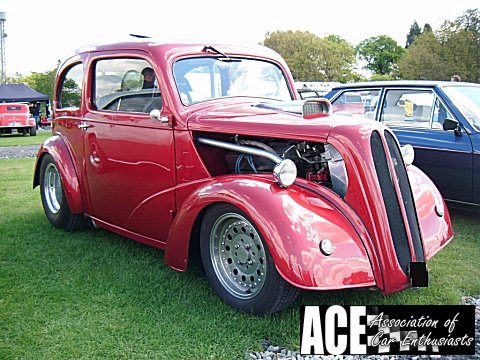
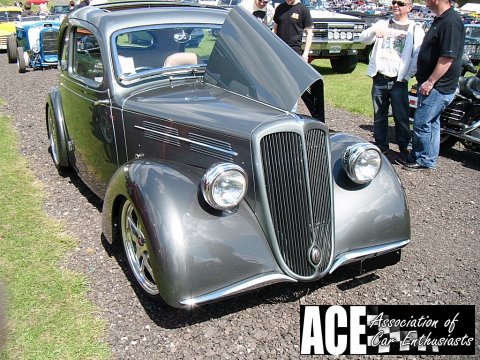
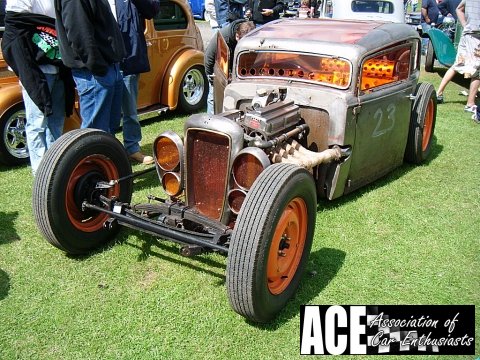
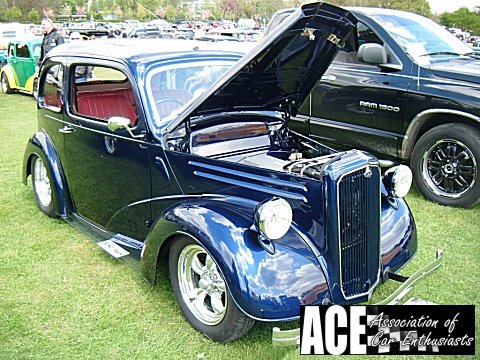
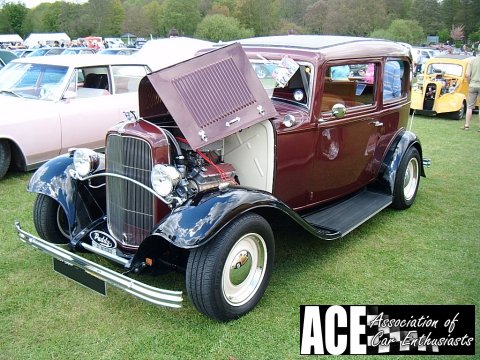
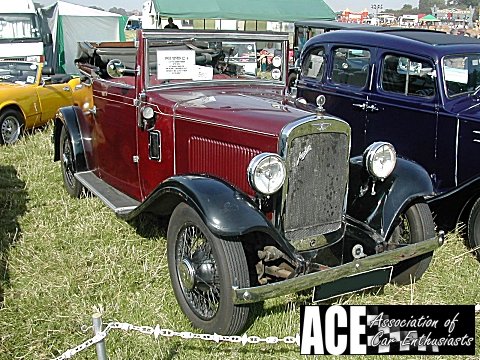
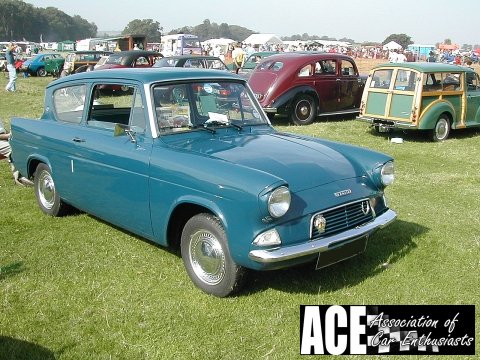

For instance, some European cities have piloted ‘Low Emission Zones’ (LEZ’s) where the use of an older vehicle is restricted, but historic vehicles can gain exemptions.
We may find that only if a vehicle fell into a FIVA approved category would the exemption apply, whereas a ‘Non-approved’ vehicle remains restricted, with the only difference between the two being that the ‘Non-approved’ vehicle is used daily.
Even if the issue of ‘Daily Driven’ and therefore seemingly high mileage vehicles is set aside, a vehicle which is modified outside the definition laid down by FIVA could fall foul of restrictions on ‘Non-Exempt’ vehicles.
ACE contaced Rosy Pugh at the FHBVC to as for their opinion of the anomolies in the FIVA definition.
This was her reply.
A strict definition was required for dealing with politicians and has paid off handsomely as within the EU it has been accepted that historic vehicles should not have to conform to standards that were not force when they were built. The definition is a political tool.
We are well aware of the fact that there are modified vehicles out there and we do, and will continue to, take this into consideration.
While it is good that the definition has ‘Paid off handsomely’ the question is “Who has it paid off for?, bearing in mind that the FHBVC state that ‘The majority of Classic cars are used for less than 1500 miles a year and they ‘Cannot be seen to represent users of high mileage classics”
If the benefits are to be conferred on a limited number of tightly defined vehicles many enthusiasts will be disadvantaged.
This campaign has only just started and ACE will be regularly updating the site with news of progress.
Share