

In an unexpected move, the Department of Transport has announced that pre-1960 cars and bikes will no longer require a valid MOT test to be road legal.
Owners of exempted vehicles, which account for around 160,000 currently on the road, will still be legally required to ensure that they’re roadworthy, in proper condition and safe, but, from 18th November 2012, are no longer obliged to take the annual inspection.
This move comes, despite widespread resistance from the classic car world.
When the original consultation was announced, Gary Stretton, editor of Classics Monthly magazine said:
“I’m opposed to the proposal. Ensuring well-intentioned but naive enthusiasts don’t put death-traps on the road and those of us who should know better don’t take risks with others’ lives is of huge importance.
The MOT test is a great leveler and I’m glad for that. It’s not about the value of the car you own, it’s about our values as owners.
Are we blind enough to grab a £45 saving on MOT tests only to be at the mercy of insurance premiums and possible legislation restricting use?
What price a life? £45? I don’t think so.
We should be looking out for ourselves and for other road-users, not buying into blinkered cost-cutting selfishness.
It’s Trojan Horse legislation that should be rejected by the UK’s historic vehicle enthusiasts.”
A view which is widely held amongst the owners of classic cars, judging by the, sometimes heated debate on various forums.
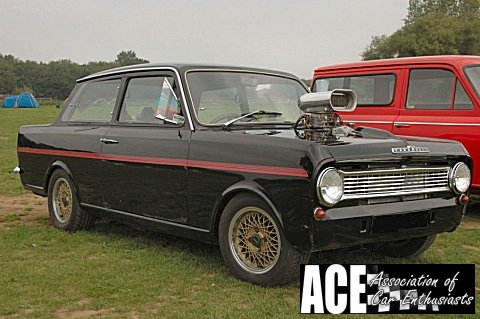
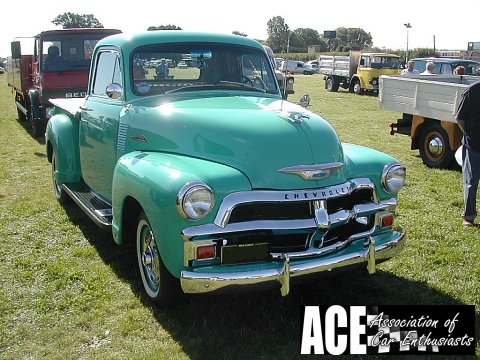

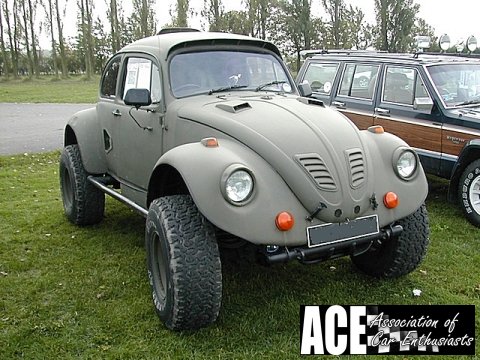
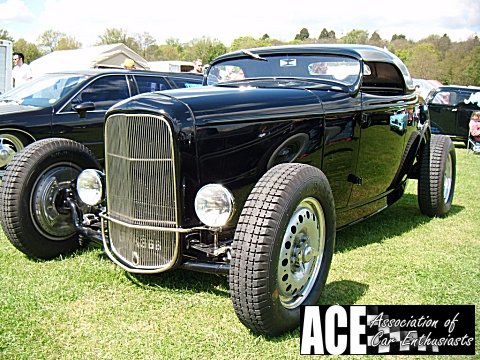
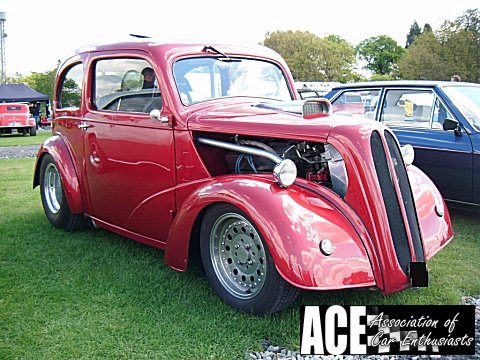
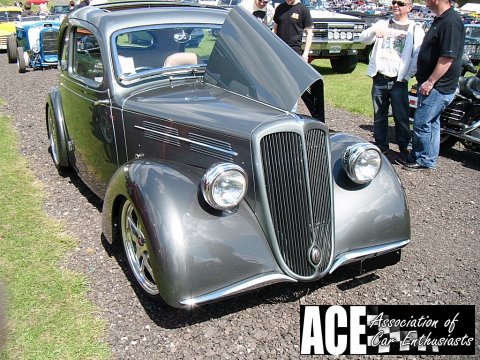
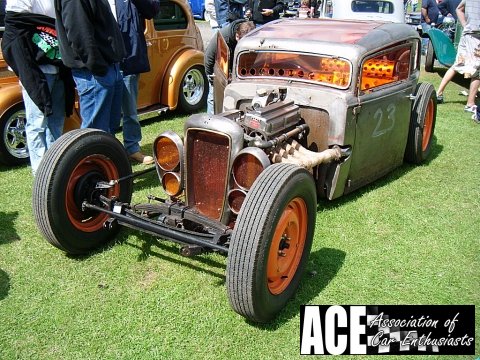
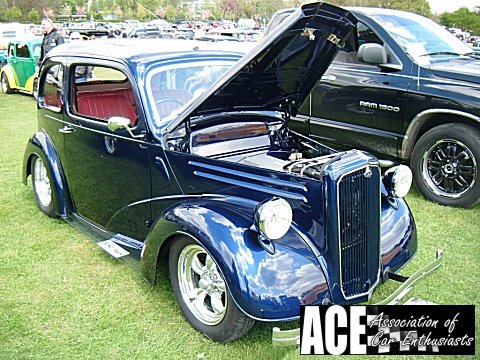
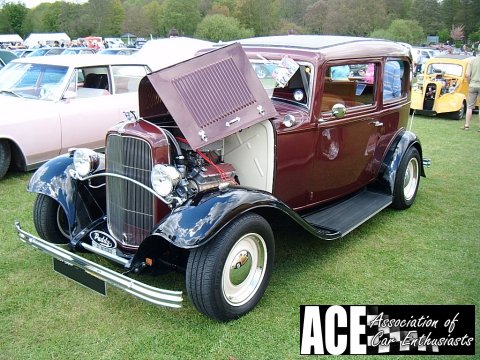
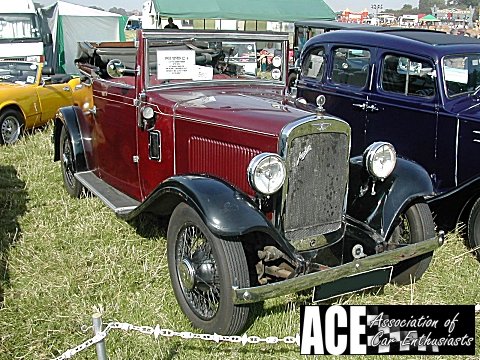
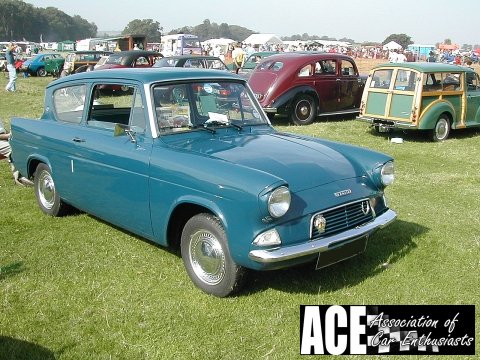
Away from the Enthusiast scene, ROSPA (The Royal Society for the Prevention of Accidents) also expressed concern in their submission to the original consultation
If the government does decide to exempt some historic vehicles from the MoT requirement, RoSPA would prefer to exempt all pre-1945 manufactured vehicles from the statutory MoT test.
Under this option, vehicles manufactured between 1945 and 1959 would still be subject to statutory MoT test.
Table 4 of the Impact Assessment shows that in 2010, four people were killed, 24 were seriously injured and a further 42 slightly injured in road accidents involving vehicles manufactured before 1960. Of these casualties, all four deaths, 22 of the 24 serious injuries and 32 of the 42 slight injuries occurred in accidents involving vehicles manufactured between 1945 and 1959.
Therefore, the vast majority of the casualties, including all of the fatalities, involved vehicles manufactured from 1945 onwards.
In view of this, RoSPA believes that exempting vehicles manufactured before 1945, rather than before 1960, is a better compromise between the benefits of deregulation and the risks of increased road casualties, and one which should remove almost all of the increased risk.
There is an equally vocal ‘Pro’ side of the argument, with people pointing out that this move puts the responsibility for ensuring that a vehicle is safe will now be in the hands of the owner and, as an enthusiast, the owner is more likely to take care of the vehicle than someone who sees a vehicle as a means of transport and ultimately disposable.
When he announced the change, Transport Minister, Mike Penning, said:
“Owners of classic cars and motorbikes tend to be enthusiasts who maintain their vehicles well. They don’t need to be told to look after them; they’re out there in all weathers checking the condition of the engine, tyres and bodywork. We are committed to cutting out red tape which costs motorists money without providing significant overall benefits.”
Mr Penning also said
“Owners of pre-1960 manufactured vehicles will still retain the option to do voluntary MOT test on their vehicles”.
There are a few ‘Wrinkles’ that still need to be ‘Ironed out’ in the proposals however.
The Dft Impact assessment of the change notes:
http://assets.dft.gov.uk/consultations/dft-2011-27/ia.pdf
Voluntary MoT test
Owners or insurers could opt for voluntary testing in the absence of statutory tests.
The previous DfT advice has been that vehicles could not enjoy a statutory test if they were exempt from statutory testing.
Any voluntary testing would have to have its own non-statutory certificate and this would not be recorded in the MoT database.
There are at present no plans to develop any non-statutory solutions in VOSA.
Currently the MoT computer system will allow any identifiable vehicle of a suitable test Class to be tested. Technically vehicles not on the system can also be tested and there is no plan to change this.
If pre-1960 manufactured vehicles are exempted from the MoT test, they will be taken out of VOSA’s Inspection Manuals.
This will make it difficult for owners of these vehicles expecting to find a voluntary MoT service, because of a lack of relevant information.
VOSA has not planned for any pre-1960 manufactured vehicle test information to be issued formally.
Insurance premium
Anecdotal evidence suggests that the insurance premiums for vehicles manufactured between 1945 and 1959 may rise if they are exempted from the MoT test.
There is no indication that the insurance premiums would increase for vehicles manufactured prior to 1945.
As this evidence is anecdotal we have not included this in our cost calculations.
We would, nonetheless, seek views from the insurance industry in our consultation.
In the long run, how successful the measure is will probably be in the hands of the Insurance industry and what they make of it.
If they decide that the risk is low and proportionate, they will swallow that risk and not hike premiums by a great degree, or apply other restrictions on use.
If they decide that an inspection once a year by ‘Old Fred’ who runs Pichfork Village Motors is acceptable evidence of roadworthiness there won’t be a more expensive ‘Insurance approved’ scheme for proving such.
If they decide that, should a pre 1960 vehicle be involved in a accident which was caused by something that ‘could’ have been picked up by an MOT or an annual inspection, will not have it’s insurance revoked, there would not be ramifications.
At this point, the industry has not commented to any degree on the changes or any effects they may have on policies and premiums.
Share