
We are a little concerned
… with the paragraph we have highlighted in the latest Press Release from the FBHVC;
http://www.fbhvc.co.uk/about-us/news/_article/50/eu-roadworthiness-directive-legislation-published/
EU Roadworthiness Directive – Legislation Published
The Directive on Roadworthiness Testing is now in place. From now on its implementation is in the hands of the Member States so FBHVC will be looking to encourage the Department for Transport to apply it sensibly. Following the furore about this legislation it is probably worth us bearing in mind a couple of things.Firstly, the underlying purpose of the Directive is to improve road safety across Europe. There are of course those who would wish that the UK was not affected by anything across Europe, but that is not a debate into which the Federation as a non-political organisation can enter. It is necessary for us to engage fully with the system in order to achieve the best outcome for our members.
It is also worth when considering this legislation that the Directive is not solely, or even mainly, about historic vehicles. In fact its drafters have tried hard for it not to be about historic vehicles at all.
Everyone has laboured mightily over the terms of the definition of what a historic vehicle is, but there are genuinely different views across the EU Member States as to what makes a vehicle authentic and how important actual authenticity is to a historic vehicle.
The Federation’s position has been to promote a simple definition that if it is old and cherished, it is historic, but that does not make the people who think that a vehicle should also be fairly unchanged from its original state to qualify, wrong. There is a valid question as to whether our fairly liberal regime in the UK permitting wide change to engines, brakes, gearboxes and bodies, might not of itself be a safety risk. There, the devil will be in the detail and every example will be unique.
Regarding the definition, part of it really helps us. DVLA already has its ‘historic’ tax status, which they will wish to stick with as already being the national recognition of a vehicle as historic that the Directive requires. Their approach is already quite sophisticated, in the way for instance it assumes buses and HGVs will be classified by what they do, not what they are.
The issue which will face us will be to make sure the UK Department for Transport (DfT) finds a practical way to interpret ‘substantial changes in the technical characteristics of its main components’.
DfT have already indicated that they will start by looking at safety, and if safety is not compromised they will wish to be as flexible as they can. It cannot be guaranteed that everyone will be satisfied, but The Federation will be making an effort to see that it has anticipated as many of the issues as possible, and has addressed them with the DfT.
FBHVC will also address testing. The test requirements set out in the Directive are the minimum standards. The UK may exceed some of them already. At this stage we simply don’t know how DfT will wish to adapt the existing MoT to be compliant, but we will be concentrating on maintaining the most flexible approach to testing to make it no more difficult to test an old vehicle which has somehow not met the criterion for being “historic”, than it is now. (Readers will recall vehicles qualifying as ‘historic’ are to be exempted from testing.)
With publication of the Directive, the job is just starting. Depending on how DfT deal with their obligation, and with their stakeholders, of whom we are just one, the task might be massive, purely formal or something in between. It could last for up to four years which is the maximum time allowed to member states for compliance. We will be taking it seriously.
The Federation encourages anyone who thinks they have spotted a possible issue to let us know. Many already have and the legislation team at FBHVC is compiling a comprehensive listing of these to assist in the task. Every issue will be aired with the DfT during the consultations.
For anyone intending to raise a specific issue we offer the following guidance. Don’t fall into the common trap of assuming that everyone, in Brussels, London or wherever, concerned with the Directive is an idiot out to get us. We need our points to be taken seriously so facts and logic will win the day not conjecture and emotion. In this context it’s interesting to note that a key official in the commission with specific responsibilities for this Directive is a Land Rover Series l enthusiast. Hardly a faceless bureaucrat then.
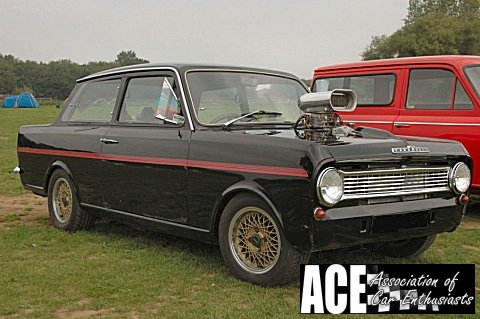
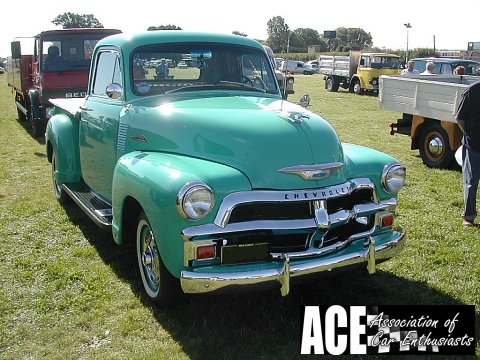


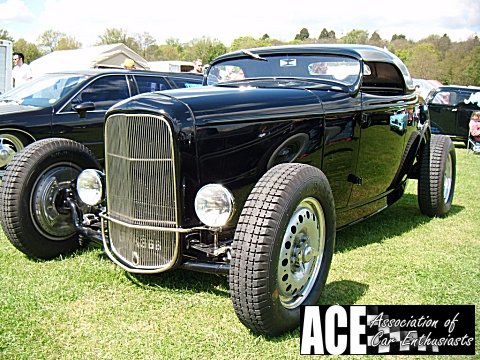
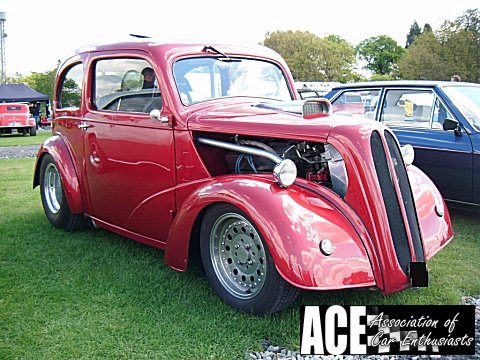
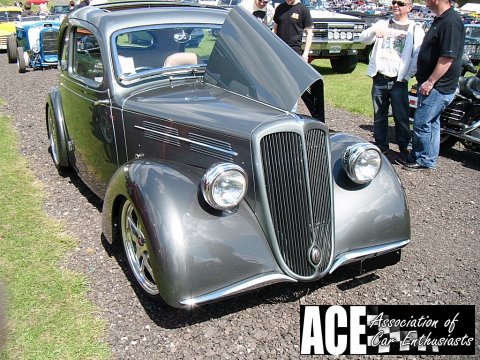
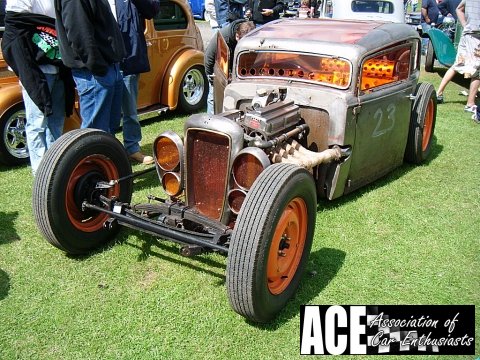
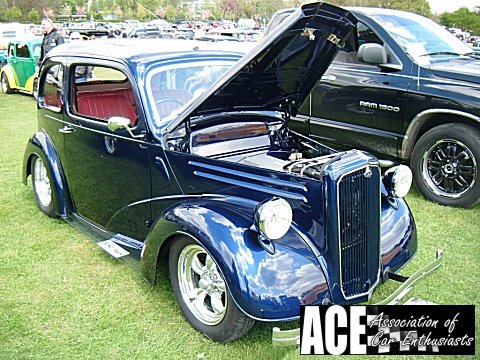
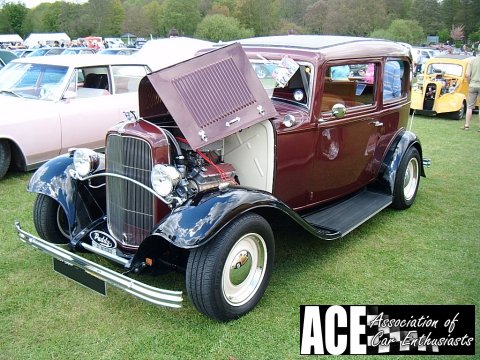
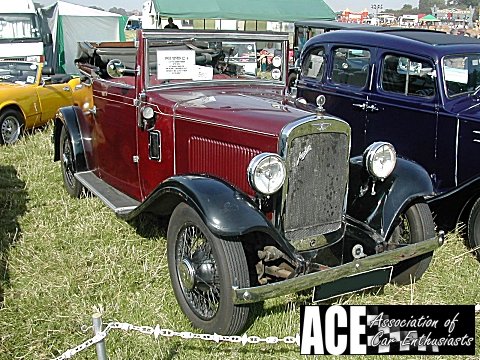
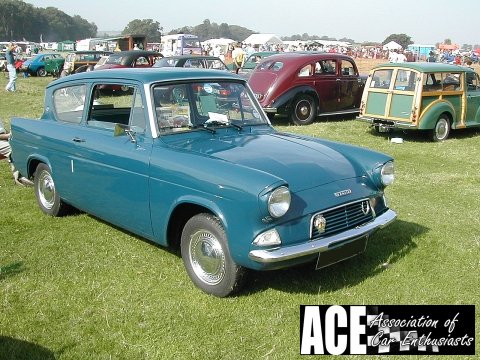

The highlighted paragraph
… doesn’t sound understanding of those involved with changes to a vehicles standard specification? Why should a modified vehicle be more unsafe than any poorly maintained standard vehicle? In fact it is far more likely that someone modifying a vehicle has a much better understanding of mechanical engineering than someone who considers a yearly safety check to be ‘unnecessary red tape‘!
It could be far too easy to get sidetracked and forget that there is a huge crossover of suppliers and skills between standard Historics and those modified for various reasons.
Much as a vast amount of businesses are involved in restoration and parts supply for standard vehicles, many fully qualified engineers within these companies also manufacture and supply components that are used in various forms of Historic Motorsport. Let us not become divisive by presuming that modification of any vehicle somehow renders it inferior to a standard vehicle, but rather, simply different.
ACE has always been non supportive of ANY vehicle being exempted from an annual safety check and consider that a rarely used vehicle must, of necessity, have an annual safety review, rather than be exempted due to minimal usage.
An annual Safety check would cover any safety issues with modified vehicles and any vehicle falling outside the current 8 point ruling having a FULL compliance test in the form of IVA.
Let us not forget that many revered marques grew from the efforts pioneering car modifiers. We need to look forward as well as to the past. The legislation under discussion will also affect FUTURE Historic vehicles, a rolling 30 years old under the current EU definition.
We should be aware that even with our existing system we have two tiers of testing, pre 1960 exempt vehicles and 1960-1974, considered Historic but not MOT exempt. Any negotiations should not disadvantage either tier.
Nor should we forget that changes in legislation have never been retrospective.
Share