
Unlicensed vehicles on private land
An interesting issue arose as part of the 2008 Finance Bill, which recently passed through parliament. Until now, if a vehicle was not licensed or covered by SORN it could only be wheel clamped or removed by the DVLA if it was on a public road.
The following amendment, which is buried in the Background Notes section of the bill, changes that provision and allows for clamping and subsequent removal of vehicles on land that is not ‘Intrinsically part of a private dwelling’.
Basically not the garden or garage of your house.
BACKGROUND NOTE
16. Section 29 of the Vehicle Excise and Registration Act 1994 (VERA) makes it an offence to use or keep an unlicensed vehicle on a public road.
A public road is defined in Section 62 of VERA.
Schedule 2A of VERA provides for the clamping and subsequent removal of unlicensed vehicles on the public highway.
17. Reports from wheel-clamping teams indicate that those wishing to evade vehicle excise duty (VED) often keep their unlicensed vehicles off the public road where they cannot be targeted as part of the enforcement activity conducted by DVLA or local authorities and police forces acting on the Agency’s behalf.
18. Clause 139 and Schedule 45 amend Section 29, Section 30 and Schedule 2A of VERA so as to permit enforcement of VED on vehicles parked off the public road except in places that are intrinsically part of a private dwelling or where a Statutory Off Road Notification has been made.
Obviously, if the vehicle is correctly licensed or covered by a SORN notice, which it should be, there is no issue.
However, we contacted the FHBVC, who first raised concerns about the amendment, to see if the authorities had defined what was ‘Intrinsically part of a private dwelling’ and received this information back about how the law on VED and clamping applies to pre 1971 vehicles.
“The DVLA have very recently assured us that our vehicles should not be at risk:
Historic vehicles constructed before 1 January 2026 are exempt from VED.
Currently, when DVLA’s wheel clamping partners discover a vehicle on a public road with no tax disc displayed, they check the licensing status of the vehicle with DVLA.
If the vehicle is exempt from VED DVLA does not authorise the wheel clamping of that vehicle.
This procedure will continue so historic vehicles will not be wheel clamped irrespective of whether they are on a public road or not.








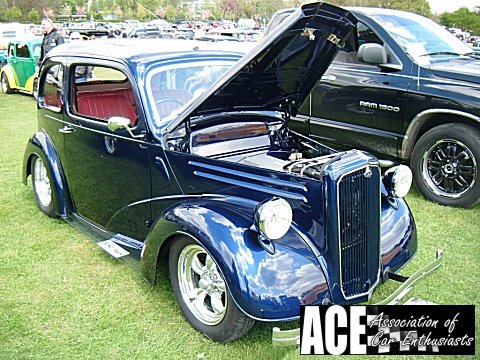
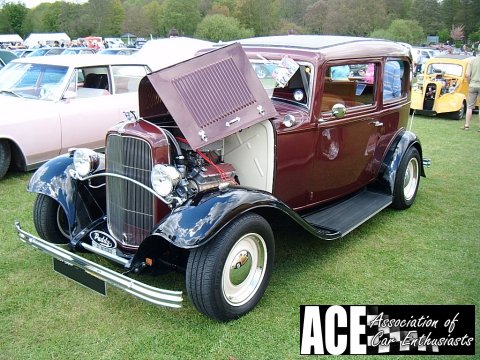
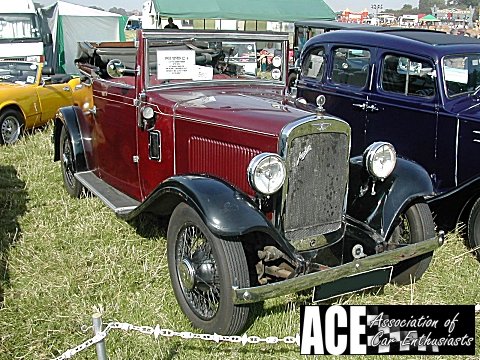

There might be some vehicles that do not fall within the VED exempt category, yet are exempt from SORN because they have been off road and unlicensed since before the introduction of SORN on 31 January 1998. If DVLA receives any enquiries about such vehicles from wheel clamping partners, the Agency will return a message to the effect that the vehicle is exempt from SORN and wheel clamping is not authorised.”
ACE does not endorse the keeping of any unlicensed vehicle on public roads, and the DVLA will, correctly, still apply fines under these circumstances, but it’s interesting to note that they will not clamp or remove pre 1973 vehicles, unless under environmental powers.
Share