
September 17th saw the first of many meetings at the EU surrounding the proposals of Roadworthiness we reported about in our earlier articles, “Armageddon” & “50 Shades of Grey”.
Siim Kallas: Vice president of the European Commission for Transport gave his opening address, one poignant point to ACE was his statement on the nature of historic vehicles and modifications:
“I should like to take the opportunity to clarify to the owners of historic vehicles; they have no reason to fear our proposals. In order to preserve the historical value of these vehicles, the definition used is based (amongst other things) on the use of replacement parts that reproduce the vehicles historic components and for the need to not changing the technical characteristics of its main components, such as engine or brakes. As I said this is in order that its historical value is preserved.
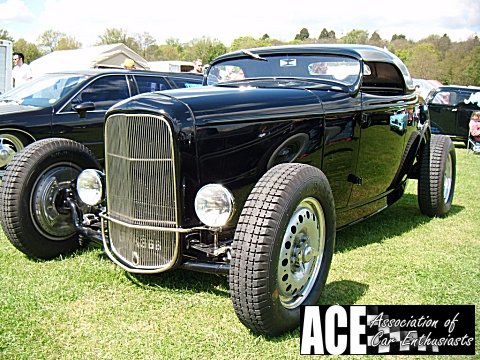
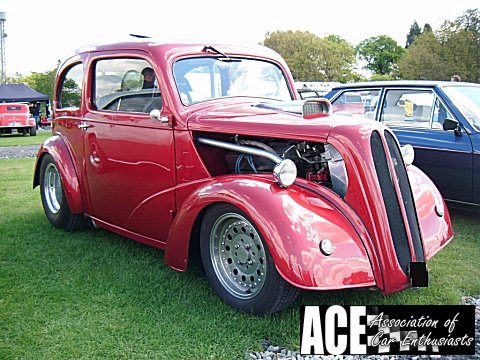
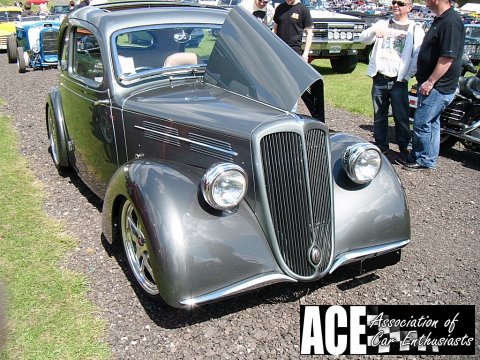
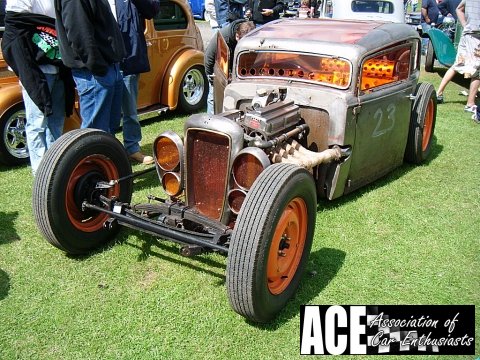
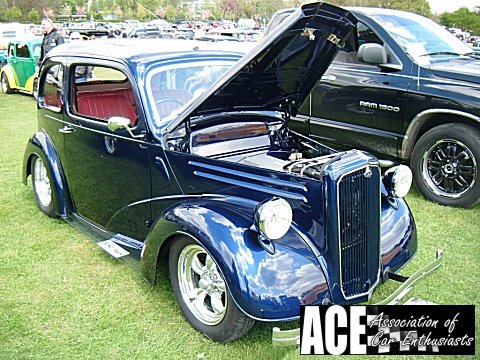
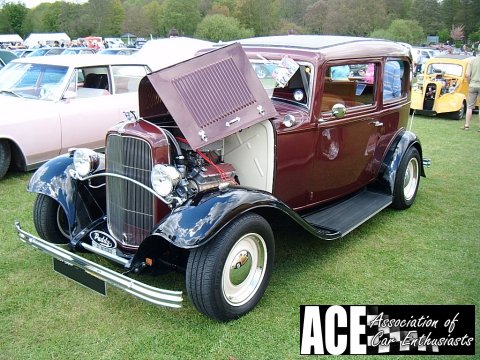
It is still possible to modify vehicles or use non-original replacement parts as long as the safety and environmental requirements applicable at the time of approval are still met. Modifications should not reduce a vehicles road safety or its environmental performance, nor does it mean the owners of older vehicles cannot make modifications to a car, however if for example they choose to put a modern engine into a vehicle from say the 1950’s , with the additional power this implies then the commission considers the safety of such vehicles should be guaranteed by regular tests.”
It is pleasing to see the EU Commissioner respond to the concerns of those who will be affected by this proposal; it shows that some messages are being received.
Several MEP’s gave statements during the meeting, and one caught ACE’s attention, from a UK MEP:
“In terms of the historical vehicles, I think the commission has probably been lobbied quite a lot already. I think a lot of have been. We have had lot of emails from “our enthusiasts” in the UK and across Europe. I am very pleased at the comment that he (Siim Kallas) has made, but obviously we don’t want to change these vehicles, as we have a huge number of enthusiasts who do a great deal of work on their vehicles themselves, they maintain all sorts of vehicles for all sorts of reasons, and we love to see these classic cars.
On behalf of these enthusiasts I would like to raise the question of self maintenance, as people do maintain their vehicles themselves and do that quiet adequately, so I don’t want to see anything put in place that complicates that”.
ACE is pleased to see MEP’s also acknowledging feedback from the general public, we are aware these are only the opening gambits for interested parties, but ACE’s aim of motivating the UK car enthusiasts in asking their MEP’s to stand up for them has succeeded, irrespective of attempts to “shoot the messengers”, on various other websites and forums.
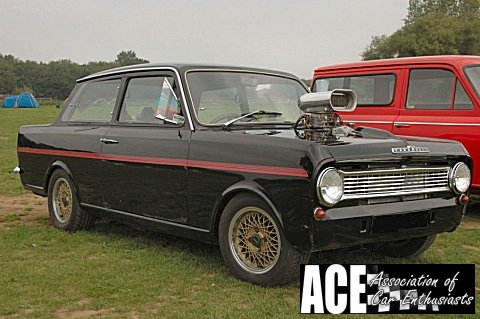
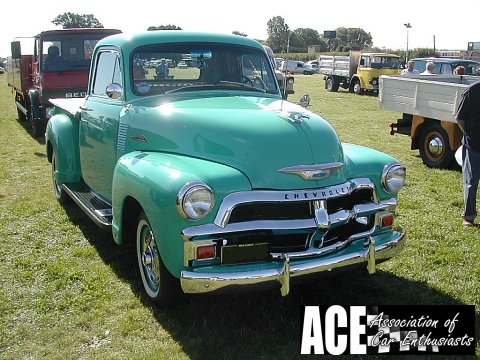

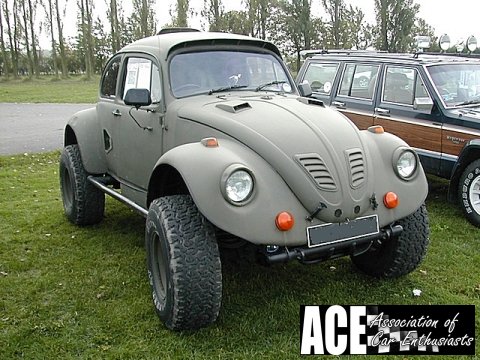

The job is nowhere near done, as the comments made during the EU meeting were on the whole, focused upon historic vehicles being “preserved”.
So where are we after this meeting?
Generally we were expecting nothing from the meeting, but a few of the comments pose important questions that need answering.
Commissioner Kallas considers “…the safety of such vehicles(modified) should be guaranteed by regular tests”.
That totally contradicts the new UK system for pre 1960 vehicles, being MoT exempt, as any modifications would be untested. (There is no other regular test for a vehicle in the UK). Remember the Commissioner even stated that Brakes should be original.
“…and for the need to not changing the technical characteristics of its main components, such as engine or brakes…”
Indeed this was supported by the UK MEP
“…I am very pleased at the comment that he (Siim Kallas) has made, but obviously we don’t want to change these vehicles…”
In the UK as long as your vehicle is still within the “8 point” rules, it would still keep its identification and if pre 1960, still be MoT exempt and ultimately never need to undergo a MoT (regular test) ever again.
The 8 point system gives us scope to uprate vehicle brakes, fit seatbelts, fit better headlights, indeed it allows us to modify any vehicle toward safer modern standards. Alas though, it appears that original brakes are more important than safer brakes, in the eyes of the Commissioner?
ACE considers this issue twofold, the ever-creeping nature of the “Historic” definition of a vehicle in policy, as being fundamentally too narrow in its approach to cultural history. Secondly the huge fall out of “what if” scenarios should this pass through as regulations, but more on the, “what if’s” at a later date.
As we said, more questions than answers, but having some background knowledge of the themes discussed above will help you.
Relevant background reading
ACE first warned the UK about FIVA definition December 2010.
http://www.the-ace.org.uk/fiva-definition-to-be-adopted-by-the-eu/
ACE asked you to write to your MEP’s April 2011.
http://www.the-ace.org.uk/petition-letter-against-adoption-of-fiva-definition-of-historic-vehicle/
ACE talked about MoT exemptions May 2012
http://www.the-ace.org.uk/mot-for-pre-1960-vehicles-to-be-scrapped/
The 8 point rules and retrospective testing
http://www.the-ace.org.uk/existing-registered-vehicles-the-8-point-rule-and-retrospective-biva/